Why Regular Gutter Cleaning Protects Your Melbourne Home
Gutters rarely get attention until something goes wrong, such as water pouring over the edge during a downpour, a stained fascia board, or a damp patch spreading across an internal ceiling. In Melbourne, where the weather can swing from scorching summer heat to sudden storms in a single day, gutters work harder than most homeowners realise. Keeping them clean is one of the most cost-effective ways to protect your property, and it ties in closely with the broader care of your roof.
This guide explains what gutters actually do, why Melbourne conditions make regular gutter cleaning so important, the problems that develop when it's neglected, and how gutter maintenance fits into a wider roof care plan that includes roof cleaning, roof washing and solar panel cleaning.
What Your Gutters Actually Do
Your gutters and downpipes form the drainage system for your roof. Every time it rains, thousands of litres of water run off the roof surface. Gutters collect that water and direct it through downpipes to the stormwater system, a rainwater tank, or a designated drainage point away from your foundations.
When the system works properly, water is moved away from the walls, eaves, fascia and footings of your home. When it is blocked, that same water has nowhere to go. It overflows, pools, backs up under roofing materials, or soaks into places it was never meant to reach.
Why Melbourne Homes Face Unique Gutter Challenges
Tree-Lined Streets and Leaf Litter
Melbourne is known for its leafy suburbs, and many streets are lined with mature eucalypts, planes, elms, oaks and gums. These trees are beautiful, but they drop leaves, bark, twigs, gumnuts and seed pods throughout the year. Eucalypts in particular shed constantly rather than only in autumn, so gutters can fill up in any season.
Unpredictable Weather
Melbourne's famously changeable weather means gutters can face light drizzle one day and intense rainfall the next. Short, heavy bursts of rain can overwhelm even a clean gutter. If your gutters are already partially blocked, they have almost no chance of coping with a sudden deluge.
Bushfire Season Considerations
Many outer and fringe Melbourne suburbs, including areas in the Dandenong Ranges, the Yarra Valley, the Mornington Peninsula hinterland and parts of Melbourne's north and east, sit in bushfire-prone zones. Dry leaves and debris in gutters are a recognised ember-attack hazard, because embers can lodge in the debris and ignite it, putting the roof and eaves at risk. Fire authorities, including the CFA, consistently recommend clearing gutters before the fire danger period as part of property preparation.
Ageing Housing Stock
Many Melbourne homes, from Victorian terraces to mid-century brick veneers, have older gutters that are more prone to rust, sagging joints and leaks. Debris and standing water accelerate that deterioration, so regular cleaning helps extend the life of older systems.
What Happens When Gutters Are Neglected
Blocked gutters rarely cause a single, obvious problem. Instead, they trigger a chain of issues that can become expensive over time.
- Water overflow and fascia damage: Water spilling over the edge soaks fascia boards and eaves, leading to rot, peeling paint and eventual replacement.
- Roof leaks and internal damp: Water that backs up can find its way under roof tiles or sheeting and into the roof cavity, causing stained ceilings, damaged insulation and mould.
- Foundation and wall problems: Overflowing water pooling beside the house can contribute to soil movement, which is a particular concern on Melbourne's reactive clay soils. These soils swell when wet and shrink when dry, and uneven moisture around footings can contribute to cracking in walls and slabs.
- Rust and corrosion: Wet leaf matter holds moisture against metal gutters, speeding up rust and causing holes or failed joins.
- Pest infestations: Standing water and decaying matter attract mosquitoes, rodents, birds and insects, and can encourage nesting in roof spaces.
- Garden and landscaping damage: Concentrated overflow can erode garden beds, wash away mulch and damage paths or paving.
- Increased fire risk: Dry debris is combustible and a known hazard in bushfire-prone areas.
How Often Should You Clean Your Gutters in Melbourne?
The right frequency depends on your property, but there are some useful guidelines.
General Recommendation
Most Melbourne homes benefit from gutter cleaning at least twice a year. A common approach is to clean in late autumn, after the main leaf fall, and again in spring or before the summer fire season.
When to Clean More Often
Consider cleaning three or four times a year if:
- Large trees overhang or sit close to your roof
- You live in a bushfire-prone or heavily treed area
- Your roof has a low pitch, which can allow debris to settle in gutters more easily
- You notice overflow, sagging or plants growing in your gutters
- You use rainwater collected from your roof for household or garden purposes
Signs Your Gutters Need Attention Now
Look out for water spilling over the sides during rain, visible debris or weeds sprouting along the gutter line, stained or peeling paint on fascia boards, sagging sections, birds nesting in the gutters, and water marks on exterior walls. Any of these means it's time to act.
Gutter Cleaning and Your Wider Roof Health
Gutters are part of a connected system, and the condition of your roof directly affects how much debris ends up in them. This is why gutter cleaning is often combined with other roof services.
Tile Roof Cleaning
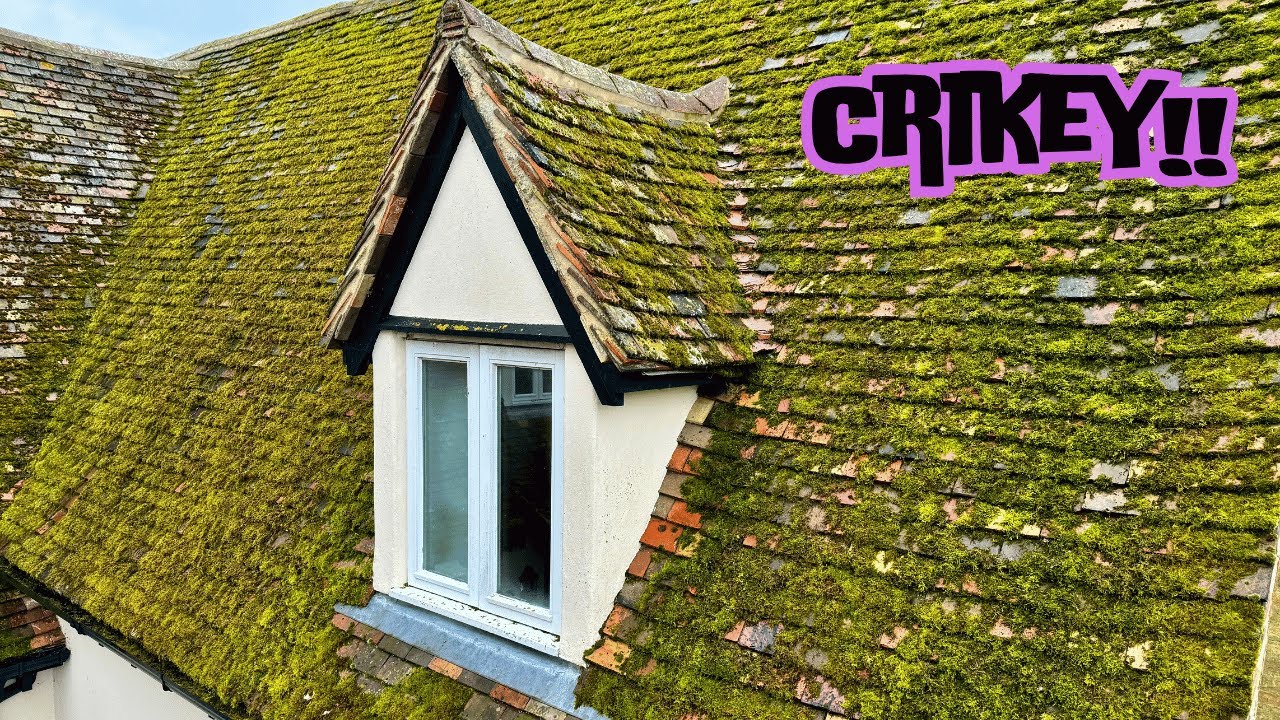
Many Melbourne homes have terracotta or concrete tile roofs. Over time, tiles accumulate moss, lichen, algae and dirt, especially on shaded southern slopes. As these growths break down, granules and organic matter wash into the gutters and can contribute to blockages. Tile roof cleaning removes this build-up, helps tiles shed water properly and can reduce the volume of material entering your gutters. Cleaning is typically done before any repainting or resealing work, since coatings need a clean surface to bond well.
Colorbond Roof Cleaning and Metal Roof Cleaning
Colorbond and other steel roofing are very common across Melbourne. They are durable, but they are not maintenance-free. Dust, pollution, bird droppings, pollen and leaf tannins can build up on the surface, and debris trapped in valleys or against ridges can hold moisture. Regular Colorbond roof cleaning and general metal roof cleaning help maintain the finish and remove material that would otherwise end up in your gutters. Coastal suburbs may also see salt deposits that are best rinsed away periodically, which is often a consideration for homes closer to Port Phillip Bay.
Roof Washing
Professional roof washing uses appropriate pressure and cleaning solutions for the specific roofing material. The right method matters: excessive pressure can damage tiles, strip coatings or force water under laps, so it's wise to use experienced operators who understand the difference between roofing types. Washing the roof and cleaning the gutters in the same visit makes sense, because the runoff and loosened debris can be cleared straight away.
Solar Panel Cleaning
Solar panels are now a familiar sight on Melbourne rooftops, and many households rely on them to reduce energy bills. Dust, bird droppings, pollen and leaf residue can reduce panel output, and trees that shed onto the roof will often shed onto the panels too. Solar panel cleaning helps keep panels performing efficiently, and pairing it with gutter cleaning is practical, since both tasks require safe roof access. Always use a method suited to your panels and check the manufacturer's guidance, as harsh chemicals or abrasive tools can damage the surface and potentially affect warranties.
DIY or Professional Gutter Cleaning?
Some homeowners are comfortable cleaning single-storey gutters themselves, but there are strong reasons to consider a professional.


Safety Risks
Falls from ladders are a leading cause of serious home maintenance injuries in Australia. Working at height on wet, leaf-covered surfaces is hazardous, and double-storey homes or steep roofs raise the risk considerably. Professionals use appropriate equipment, fall protection and trained techniques.
Thoroughness and Inspection
A professional will typically clear the gutters, flush the downpipes to confirm water flows freely, and spot problems such as rust, loose brackets, damaged flashings, cracked tiles or poor gutter fall. Catching these early is far cheaper than repairing water damage later.
If You Choose to DIY
If you do clean your own gutters, follow these basic steps:
- Use a stable ladder on firm, level ground, with someone nearby if possible.
- Wear gloves and eye protection, and avoid working near power lines or in wet or windy conditions.
- Scoop out debris by hand or with a gutter scoop, placing it in a bucket rather than dropping it to the ground.
- Flush the gutters and downpipes with a hose, working toward the downpipe outlet.
- Check for leaks, rust, sagging sections and standing water, and note anything that needs repair.
Do Gutter Guards Help?
Gutter guards and leaf screens can reduce the amount of large debris entering your gutters, which is appealing in tree-heavy Melbourne suburbs. However, they do not eliminate maintenance. Fine debris, seeds and dust can still build up on or beneath guards, and some products can restrict flow during heavy rain if they become clogged. If you're considering guards, choose a product suited to local conditions and check that it meets relevant bushfire requirements if you live in a designated bushfire-prone area. Periodic inspection and cleaning are still needed.
The Financial Case for Regular Maintenance
Routine gutter cleaning costs a fraction of what it takes to repair rotted fascia, replace damaged ceilings, treat mould or fix https://www.melbourneroofcleaningpros.com.au/services/solar-panel-cleaning foundation-related cracking. Well-maintained gutters also support your home's presentation and resale value, since buyers and building inspectors commonly note overflowing gutters, staining and rust as signs of deferred maintenance. Home insurers may also look at whether damage resulted from poor maintenance when assessing claims, so keeping records of regular servicing is sensible.
Building a Simple Roof and Gutter Maintenance Plan
A practical annual schedule for a typical Melbourne home might look like this:
- Late autumn: Gutter cleaning after leaf drop, plus a visual check of the roof, downpipes and flashings.
- Spring: Gutter cleaning, inspection for storm damage, and solar panel cleaning if needed.
- Before summer: Clear all debris from gutters, valleys and roof surfaces, especially in bushfire-prone areas.
- Every few years: Professional roof cleaning or roof washing, depending on your material, local environment and the amount of moss, lichen or staining.
Final Thoughts
Regular gutter cleaning is simple, inexpensive protection for one of your biggest investments. In Melbourne, with its tree-lined streets, changeable weather, clay soils and bushfire risk, it is not an optional extra. Keeping gutters clear prevents water damage, reduces fire hazards, protects your foundations and helps your roof perform as it should.
Combined with appropriate tile roof cleaning, Colorbond roof cleaning, metal roof cleaning, roof washing and solar panel cleaning, gutter maintenance becomes part of a complete approach to roof care. If you are unsure of your gutters' condition, or if working at height isn't safe for you, engaging a qualified local professional is a smart way to protect your home through 2026 and into 2027 and beyond.
Melbourne Roof Cleaning Pros
2/19 Chandos St, Cheltenham VIC 3192
ph. (03) 4514 5137